Wholesale enquiries for automotive seatbelt requirements
seatbeltwholesaler.in Automotive Seatbelt Wholesale
Product reference — 05 categories

A clearer view of the product requirement.

Five ways an automotive seatbelt requirement is normally described, set out so a buyer can find the one that matches the situation in front of them and describe it in terms a supplier can act on.

01

Every category below explains what it covers, who typically needs it, what helps identify it, and what a buyer should put in the enquiry.

02

No specifications, part numbers or compatibility claims are published here. Identification is something the buyer and the supplier establish together.

03

If none of the five categories fits, the enquiry form allows a requirement to be described in plain language instead.

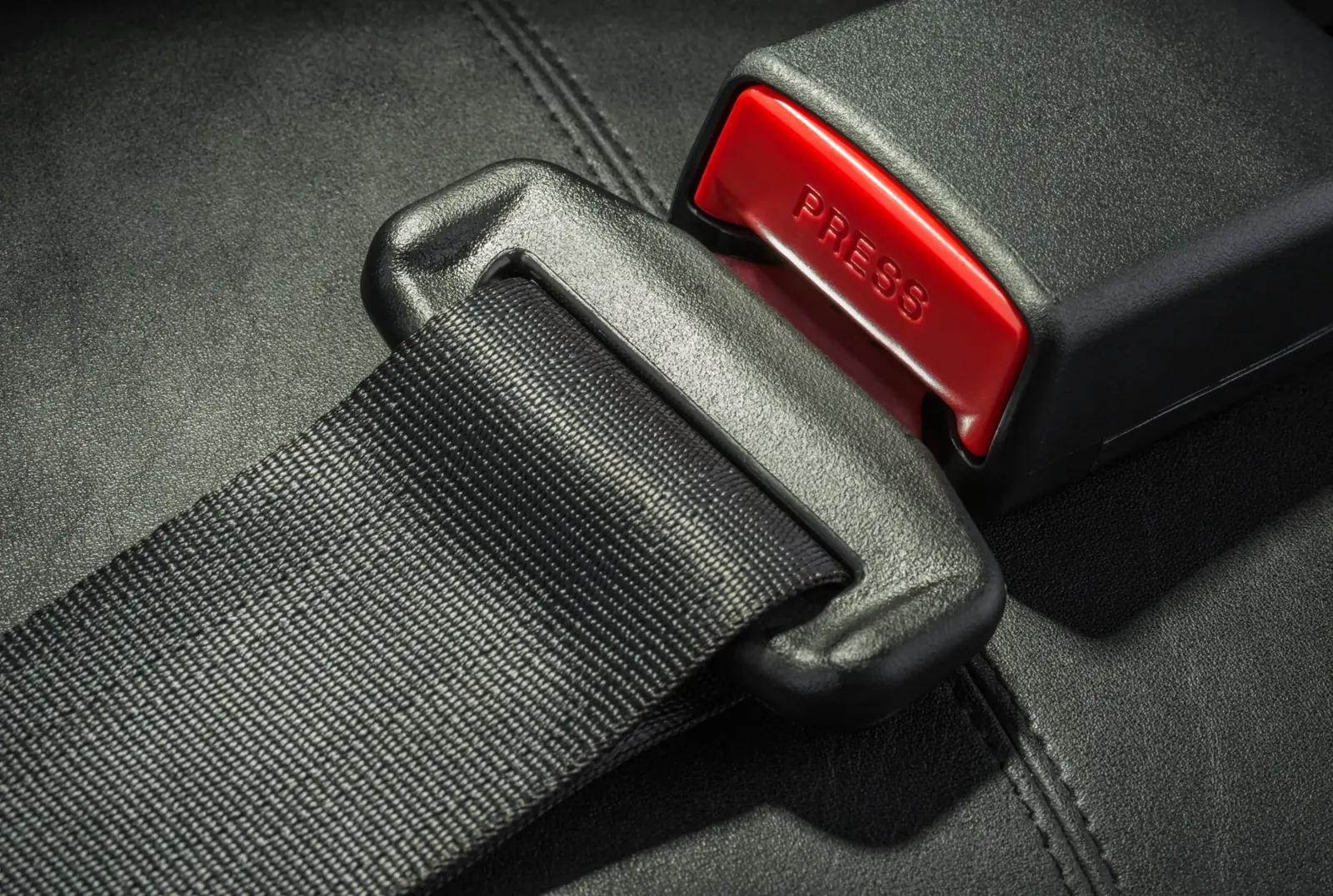
A seatbelt assembly photographed close up on dark upholstery, showing woven webbing entering a moulded latch plate next to the buckle receiver.
Plate 03 — A seatbelt taken as one assembly

Categories are a starting point, not a specification.

The categories on this page exist to make a conversation easier to open. They are not a claim about what is in stock, and they are not a compatibility list.

A seatbelt requirement almost always narrows down through a short exchange rather than through a single search. A buyer describes the situation; the supplier asks the questions that the description left open; the requirement becomes specific. What a category does is give that exchange a sensible place to start, so the first message is not spent establishing whether the subject is a complete belt or a single buckle.

Read the category that matches your situation, then use the four headings inside it — what it is, who may need it, what helps identify it and what to communicate — as the outline for your enquiry.

Category 01 Automotive Seatbelts

Automotive seatbelts

A complete occupant restraint for a road vehicle, described by the vehicle it belongs to and the seating position it serves.

What it is

This category covers the belt as a whole item rather than as a set of parts. In practice that means the webbing a passenger draws across themselves, the latch plate on the end of it, the buckle receiver it locks into, and whatever mechanism controls the belt’s length and anchoring in that particular vehicle. Buyers usually arrive at this category when they want to talk about a belt for a seat, not about one piece of one.

Who may need it

Distributors building or refreshing a range; workshops handling a requirement where the whole belt is being addressed rather than a single component; and businesses sourcing across several vehicles where it is simpler to specify complete belts than to itemise parts.

What information helps identify it

  • The vehicle — make, model and, where it is known, the model year or generation.
  • The seating position: front or rear, and which side of the vehicle.
  • The belt configuration as far as it can be observed.
  • Whether the belt retracts, and where the retractor sits.
  • Photographs showing the belt as fitted, including its anchor points.

What a buyer should communicate

State the vehicle and the seating position first, then the quantity and whether the requirement repeats. If the belt is replacing something, say so — a like-for-like requirement is answered differently from an open one. If you are covering several seating positions, list them separately rather than as a single total, because they are rarely the same part.

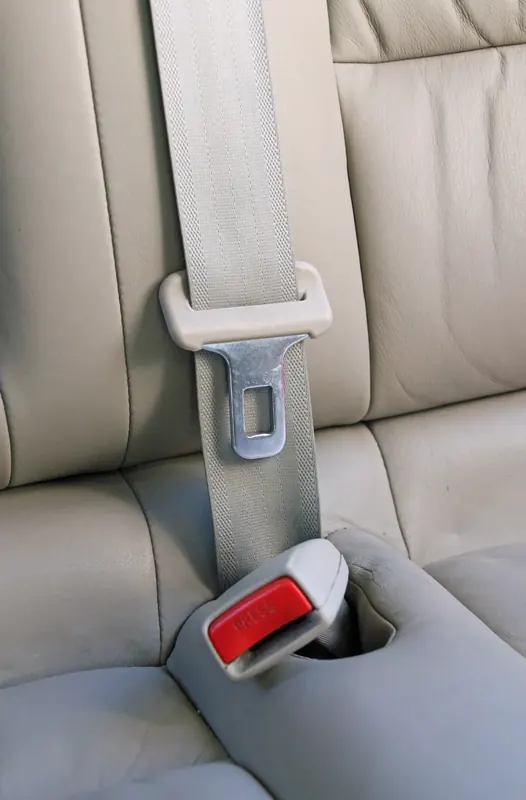
A three-point seatbelt fitted to a pale leather rear seat, showing the shoulder webbing, latch plate and buckle receiver in one view.
Plate 04 — A belt described by seating position
Category 02 Seatbelt Assemblies
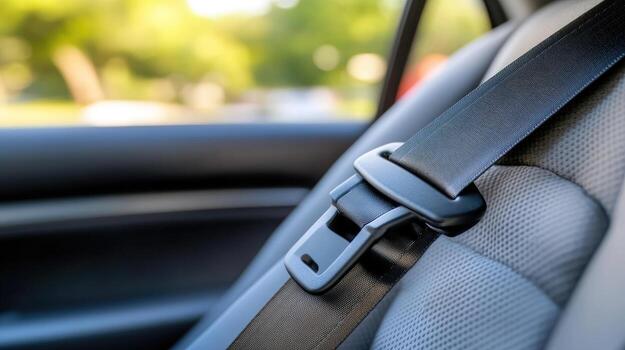
A seatbelt running down a vehicle pillar into a fixed latch plate beside the seat, with the door trim and window visible behind.
Plate 05 — Webbing, pillar run and latch plate together
What an assembly enquiry usually needs to settle
ScopeWhether the whole assembly is required, or only part of it.
PositionWhich seat, and which side of the vehicle.
MountingHow and where the assembly is anchored.
RetractionWhether the belt retracts, and where the retractor is housed.
ConditionWhether it replaces something in service or is a fresh requirement.

Seatbelt assemblies

The belt considered as one working unit, where the parts are specified together because they have to function together.

What it is

An assembly is the practical unit of a restraint: the webbing, the hardware attached to it, and the mechanism that manages it, treated as a single item. The distinction from the previous category is one of framing rather than of hardware — buyers use “assembly” when they want the parts supplied as a matched unit rather than assembled from separately sourced pieces.

Who may need it

Buyers who have learned that mixing separately sourced parts creates its own problems, and who would rather specify once. Workshops handling a job where the whole belt is coming out. Distributors who prefer to stock complete units because they are simpler to describe onward to their own customers.

What information helps identify it

  • The vehicle and the seating position, as above.
  • Which parts you consider to be inside the assembly, and which sit outside it.
  • How the assembly attaches to the vehicle at each anchor point.
  • Photographs taken from more than one angle, including where the belt meets the body of the vehicle.
  • Any labels or markings on the webbing or on the hardware.

What a buyer should communicate

Be explicit about scope. The single most common misunderstanding in an assembly enquiry is a difference of opinion about what the assembly includes. Listing the parts you expect to receive — even briefly, even imperfectly — removes that ambiguity in one line.

Category 03 Seatbelt Components

Seatbelt components

Individual parts of a restraint, enquired about on their own because that is what the situation actually calls for.

What it is

Buckles and receivers, latch plates, webbing, guide loops, anchor hardware and the smaller fittings that hold a belt in position. A component enquiry is narrower than an assembly enquiry but is often harder to answer, because a small part carries fewer identifying clues than a whole belt does.

Who may need it

Workshops replacing one part rather than a whole belt. Distributors who supply components alongside complete items. Businesses maintaining a stock of the parts that are handled most often. Buyers who have identified precisely which piece is at issue and want to keep the enquiry to that piece.

What information helps identify it

  • Clear, well-lit photographs of the part from several angles — for components these matter more than anything else.
  • Any numbers, letters or maker’s marks stamped or printed on the part.
  • Rough physical dimensions, if they can be measured safely.
  • How the part connects to the pieces on either side of it.
  • The vehicle and seating position it came from.

What a buyer should communicate

Send photographs first and describe second. A component is frequently recognised on sight when it cannot be named in words, and a photograph that includes the neighbouring parts gives far more context than one that isolates the piece. Note also whether an exact match is required or whether an equivalent would be acceptable, because that single sentence changes the whole search.

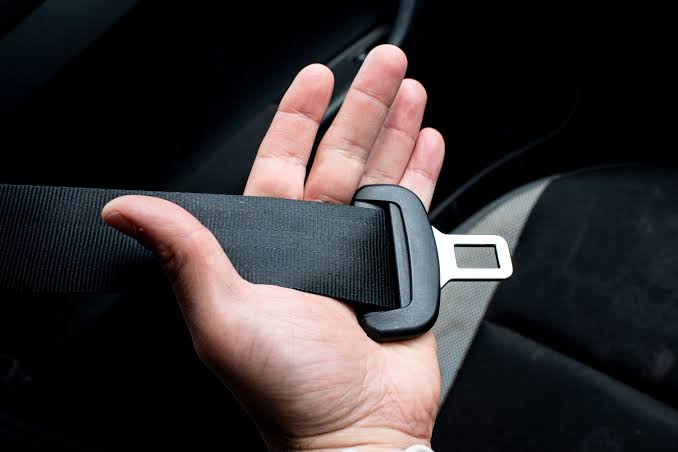
An open hand holding a length of black seatbelt webbing with the metal latch plate resting across the palm.
Plate 06 — A component in the hand, ready to photograph
Technical note

Why photographs outperform descriptions

Components vary in ways that ordinary language handles badly — the angle of a stem, the shape of a slot, the depth of a moulding. Two parts that would be described identically in a sentence can be visibly different in a photograph. Where a part is in front of you, the camera is the more accurate instrument.

Category 04 Replacement Requirements
A lap-type seatbelt with a metal buckle lying across a leather seat, the webbing fed through a flat latch plate.
Plate 07 — A belt being matched, not chosen

Replacement requirements

Requirements where something is already fitted, and the job is to match it rather than to choose freely.

What it is

A replacement requirement is defined by an existing part. The buyer is not selecting from options; they are describing something that exists and asking for its counterpart. This changes the nature of the enquiry completely — the vehicle and the existing part become the specification, and most of the work is in observing them accurately.

Who may need it

Workshops, service points, fleet maintenance operations and businesses handling vehicles that are already in use. It is the most common wholesale situation of the five, and the one where good photographs save the most time.

What information helps identify it

  • The vehicle, the seating position and the side.
  • Photographs of the existing part in place, before it is removed.
  • Photographs of the same part after removal, if it has been taken out.
  • Any markings on the old part, however faint.
  • Whether the requirement is for one vehicle or repeats across several.

What a buyer should communicate

Say clearly that it is a replacement, and say what it is replacing. Then state whether you need a like-for-like match or whether an equivalent would serve. Buyers often assume this is understood; it very rarely is, and stating it explicitly is the fastest single improvement most enquiries can make.

Category 05 Application-Specific Requirements

Application-specific requirements

Requirements defined less by the product and more by the place it has to sit and the way it has to behave there.

What it is

Some requirements resist the previous four categories because the defining constraint is the application itself: an unusual seating layout, a position that has to be described rather than named, a fitment where the surrounding geometry does most of the work. In these cases the useful information is about the situation, not the part.

Who may need it

Buyers working with vehicles that have been configured for a particular purpose, operations with seating arrangements that differ from the standard fit, and anyone whose requirement keeps failing to be understood when it is described in ordinary product terms.

What information helps identify it

  • A description of the application in plain language, including what the belt has to do.
  • Wide photographs showing the whole area, not just the part.
  • The available anchor points and roughly where they sit.
  • Any constraint you already know about — clearance, routing, or a position that has caused difficulty before.
  • What has previously been tried, and why it did not work.

What a buyer should communicate

Describe the problem, not only the product. An application-specific enquiry is the one case where a longer message genuinely helps: the context is the specification. Include a wide photograph even if it feels redundant, because the surrounding structure is usually what determines whether something will work.

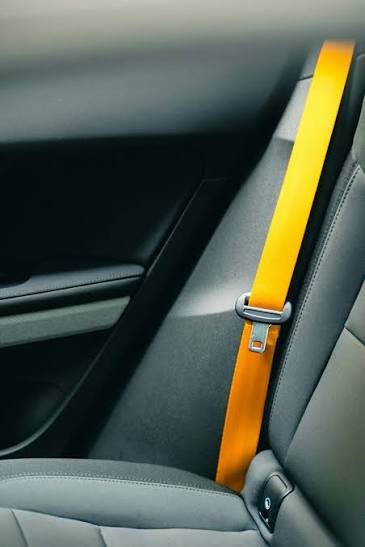
A vehicle interior with a bright yellow seatbelt running diagonally across a grey seat and door trim.
Plate 08 — When the application defines the requirement
Before you enquire B

What this page deliberately does not say

Not published01

Specifications

No dimensions, load figures, material grades or performance claims are listed for any category. Publishing numbers that have not been verified against a specific item would make an enquiry less accurate, not more.
Not published02

Compatibility lists

No claim is made that a category fits a particular vehicle. Fitment is established between buyer and supplier using photographs, the application and the existing part — not from a table on a website.

Start a wholesale enquiry CTA

Found the category? Describe the requirement.

Use the four headings from whichever category matched — what it is, who needs it, what identifies it, what to communicate — as the outline for your message.

Direct lines

+91 99206 38354  ·  info@autogleam.in

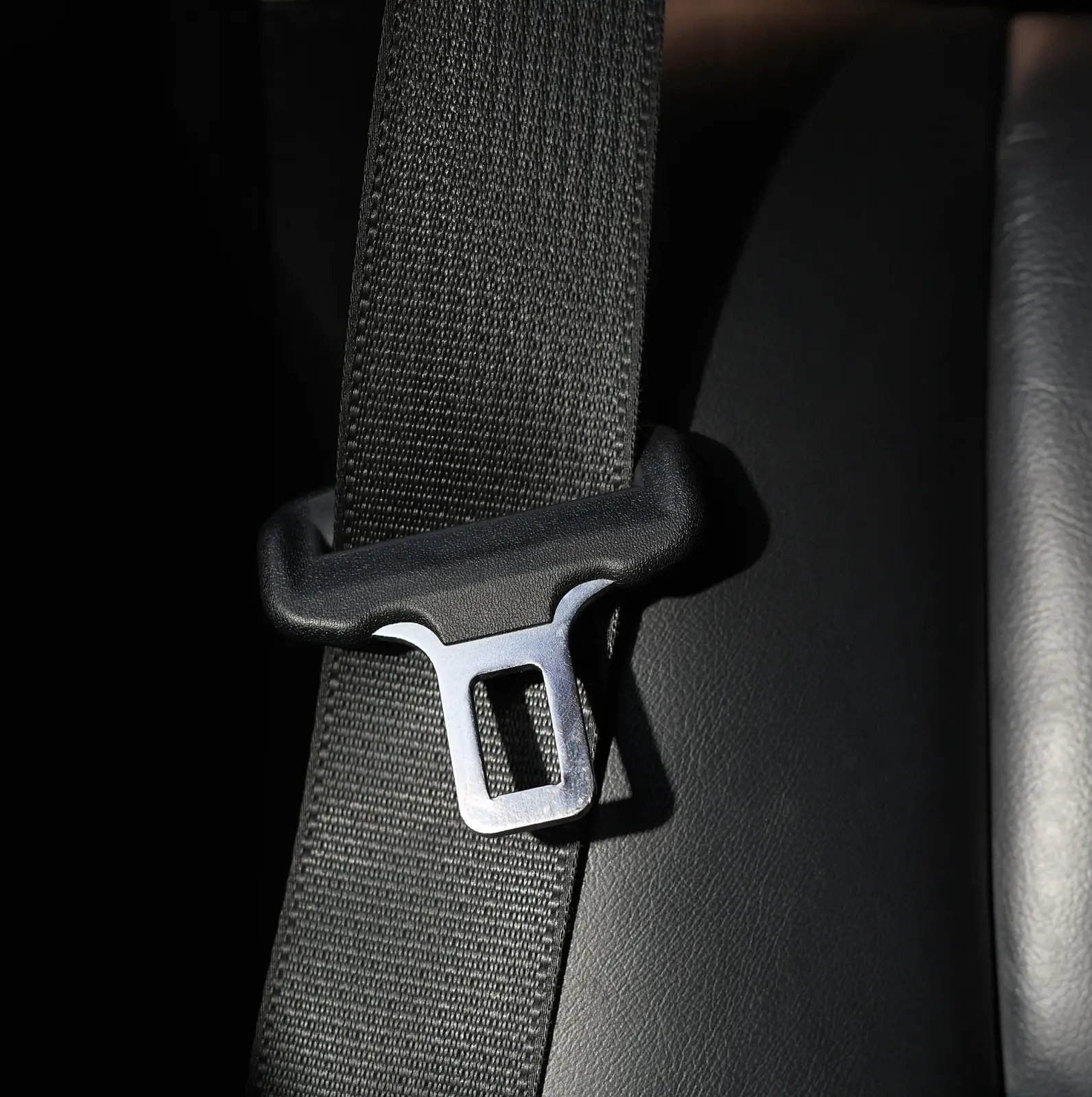
A seatbelt webbing strap running through a moulded guide loop and metal latch plate against a vehicle seat.
Plate — webbing, guide loop and latch plate