Buyer type01
Distributors and traders
Buyers who hold or move stock and need requirements described consistently enough to compare, re-order and pass on to their own customers without re-interpreting them each time.
A professional B2B destination for exploring automotive seatbelt requirements, understanding sourcing considerations and starting clear wholesale conversations.
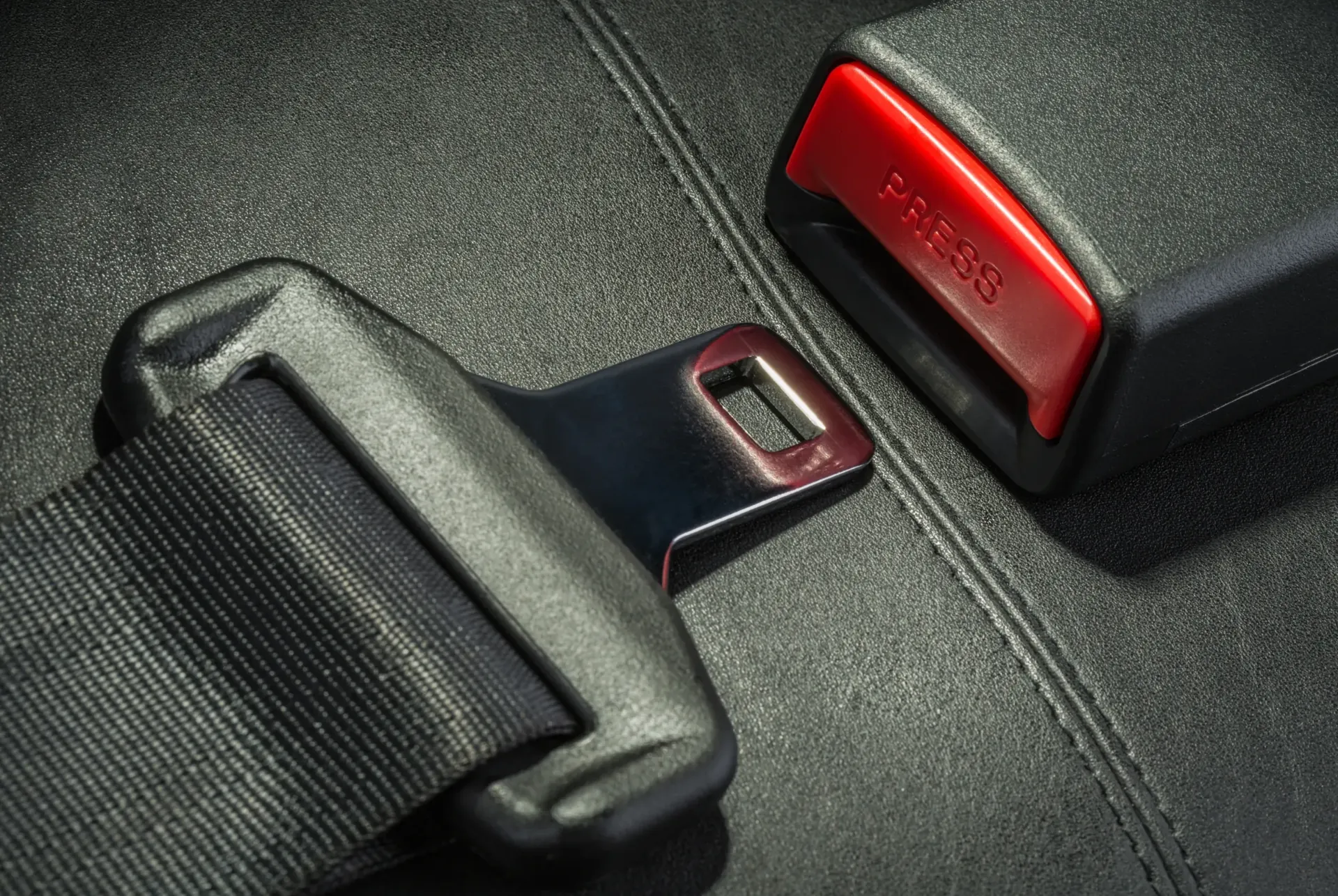
Most wholesale conversations stall for the same reason: the enquiry did not carry enough to answer. These are the six columns worth filling in before you write, in the order they usually matter.
The single most useful thing a wholesale enquiry can carry is an unambiguous description of the product itself. A complete seatbelt, a seatbelt assembly, a specific component or a replacement for something already fitted are four different conversations, and naming which one you mean removes most of the guesswork before it starts.
Name the item, not just the categoryThe same product description can mean different things across a hatchback, a light commercial vehicle and a bus. Telling a supplier which vehicle, seating position and configuration the requirement belongs to is what allows a reply to be specific rather than generic.
Vehicle, seating position, configurationWholesale is a conversation about volume, and volume changes the answer. A requirement for a handful of units, a standing monthly requirement and a single large consignment are each handled differently, so an approximate figure is far more useful than none at all.
Per order, per month, or one consignmentRequirements sit on a spectrum from open to exact. Some buyers need a like-for-like match to a part already in service; others are comparing options and want to understand what is reasonable. Saying which position you are in prevents a supplier from answering the wrong question.
Like-for-like, equivalent, or openWhere the goods are going shapes packing, documentation and cost long before anything moves. A city and state within India, or a country and port for an export requirement, is usually enough at the enquiry stage.
City and state, or country and portThe remaining variable is how the two sides talk to each other. Photographs of the existing part, any markings visible on the webbing or hardware, and a clear note of what has already been tried will shorten a wholesale conversation more than any other single thing.
Photographs, markings, prior contextFive ways a seatbelt requirement is usually described. Each entry explains what the category covers and what a buyer should communicate — the full treatment sits on the products page.
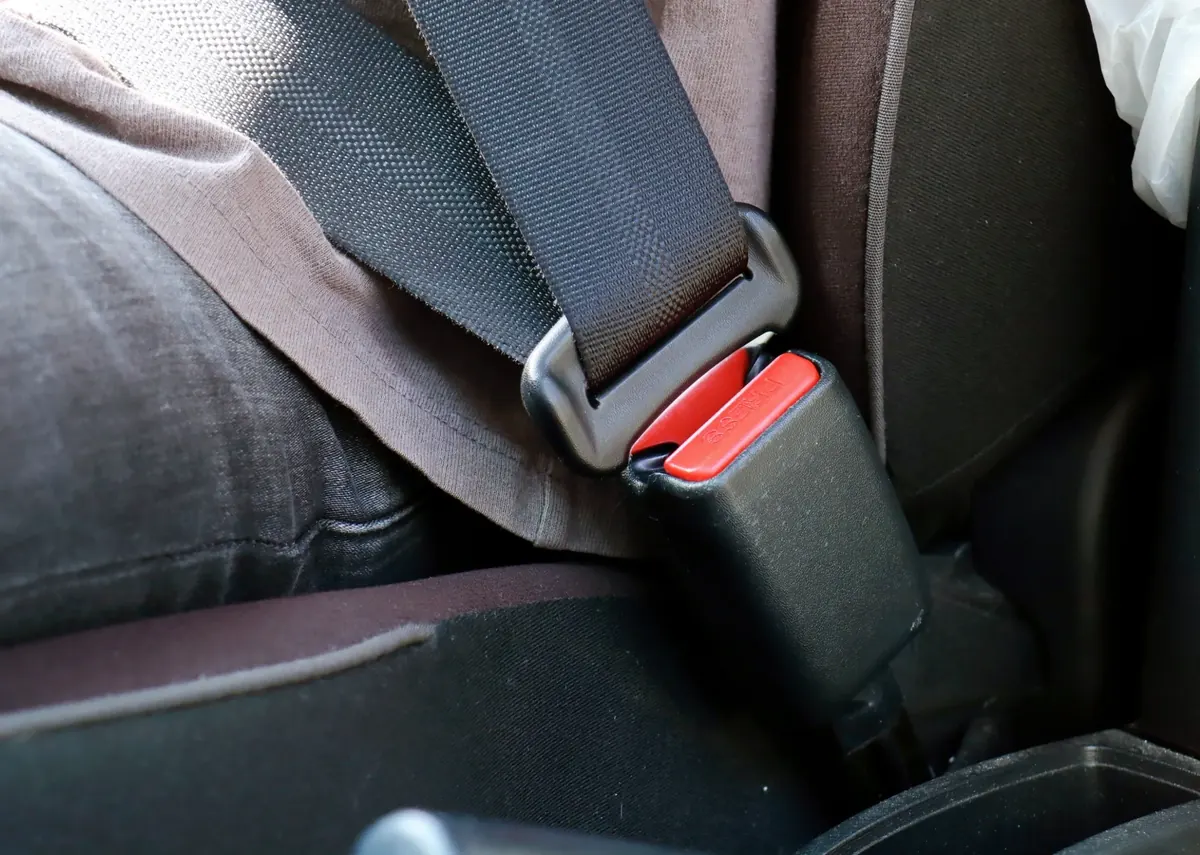 Automotive Seatbelts
On the products page
Complete seatbelts for automotive use, described by vehicle, seating position and belt configuration.
02
Automotive Seatbelts
On the products page
Complete seatbelts for automotive use, described by vehicle, seating position and belt configuration.
02
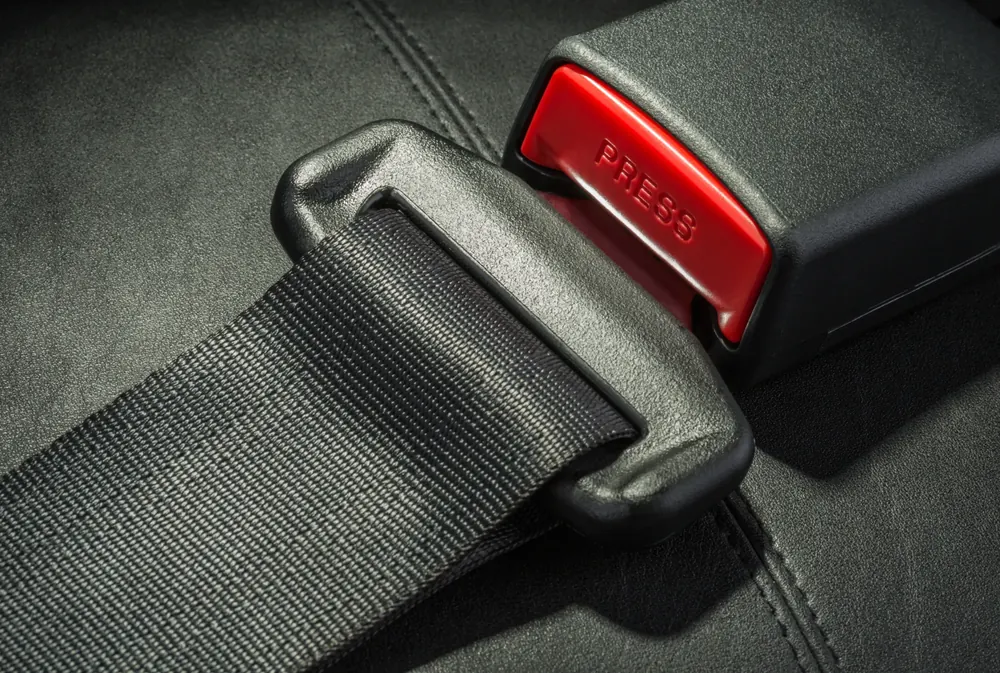 Seatbelt Assemblies
On the products page
Assemblies taken as a unit — webbing, retractor, latch plate and buckle considered together rather than piece by piece.
03
Seatbelt Assemblies
On the products page
Assemblies taken as a unit — webbing, retractor, latch plate and buckle considered together rather than piece by piece.
03
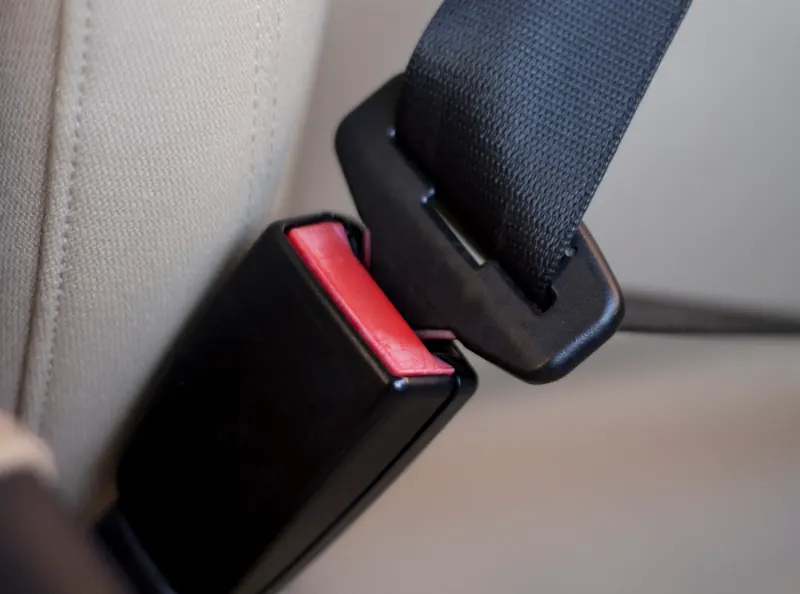 Seatbelt Components
On the products page
Individual parts of a restraint — buckles, receivers, latch plates, webbing and related hardware.
04
Seatbelt Components
On the products page
Individual parts of a restraint — buckles, receivers, latch plates, webbing and related hardware.
04
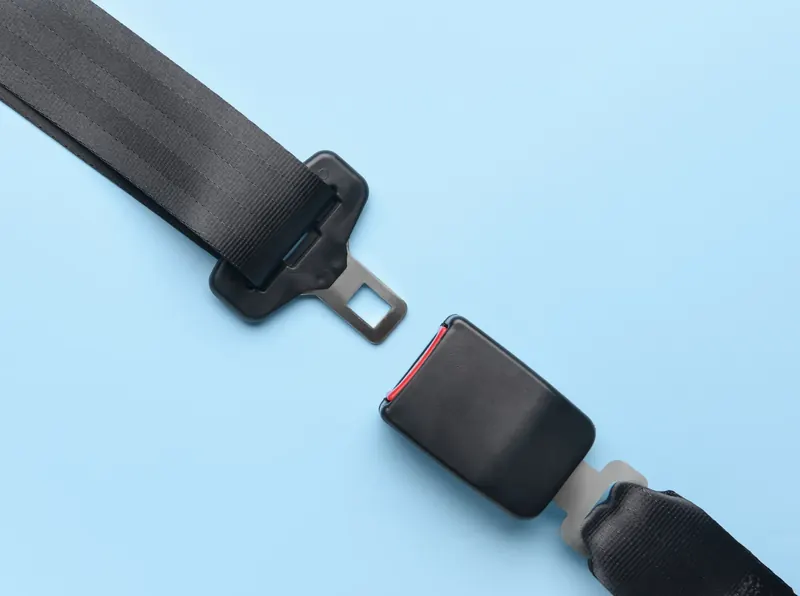 Replacement Requirements
On the products page
Requirements driven by something already fitted, where matching the existing part is the whole point of the enquiry.
05
Replacement Requirements
On the products page
Requirements driven by something already fitted, where matching the existing part is the whole point of the enquiry.
05
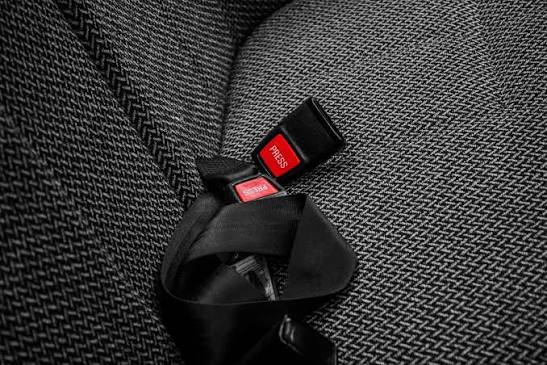 Application-Specific Requirements
On the products page
Requirements defined by where the belt is going — a seating position, a vehicle type, or a fitment that has to be described carefully.
Application-Specific Requirements
On the products page
Requirements defined by where the belt is going — a seating position, a vehicle type, or a fitment that has to be described carefully.
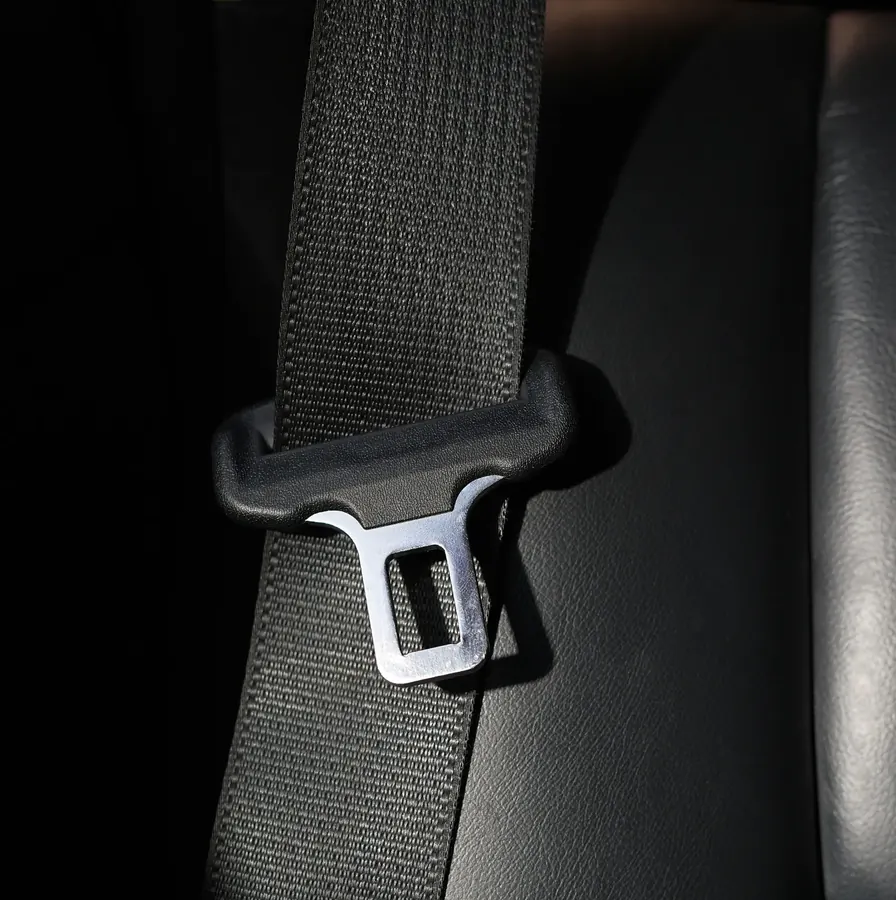
Before anything else can be discussed, both sides need to be certain they are talking about the same part.
A seatbelt is not a single object so much as a set of related parts that have to work together: webbing, a latch plate, a buckle receiver, the anchorage points that hold it, and in most modern vehicles a retractor that manages the length. A requirement that names only one of these leaves the rest open to interpretation.
That is why so much of a productive wholesale exchange is spent on identification rather than on price. When the part is described precisely — including the things that are easy to overlook, such as which side of the vehicle it belongs to and how it is anchored — the commercial conversation that follows is short.
Buyers who hold or move stock and need requirements described consistently enough to compare, re-order and pass on to their own customers without re-interpreting them each time.
Buyers working from a vehicle in front of them, where the requirement is usually driven by a specific part already fitted and the fastest route is photographs plus the application.
Buyers with repeat or multi-unit requirements across a group of vehicles, where quantity, timing and consistency across orders matter as much as the specification itself.
Buyers sourcing on behalf of an operation rather than a single vehicle — including businesses assembling a requirement list before committing to a wholesale conversation.
Everything on this website is written to help a buyer describe and source a requirement clearly. It is not fitting instruction, and it is not a substitute for the guidance that applies to the vehicle in question. Selection, installation and inspection of restraint equipment should be carried out by people competent to do so, using information appropriate to the vehicle.
Nothing here describes bypassing, disabling or modifying a restraint system, and no enquiry of that kind can be assisted.
Send the vehicle or application, the product requirement, the quantity and the destination. Clear information is what turns an enquiry into a useful reply.
Five product categories in depth — what each covers, who needs it, and what to communicate.
Open Products 03The six-stage wholesale process, from identifying a requirement to submitting the enquiry.
Open Wholesale 05A seven-part checklist covering everything worth gathering before you write.
Open Buyer Guide